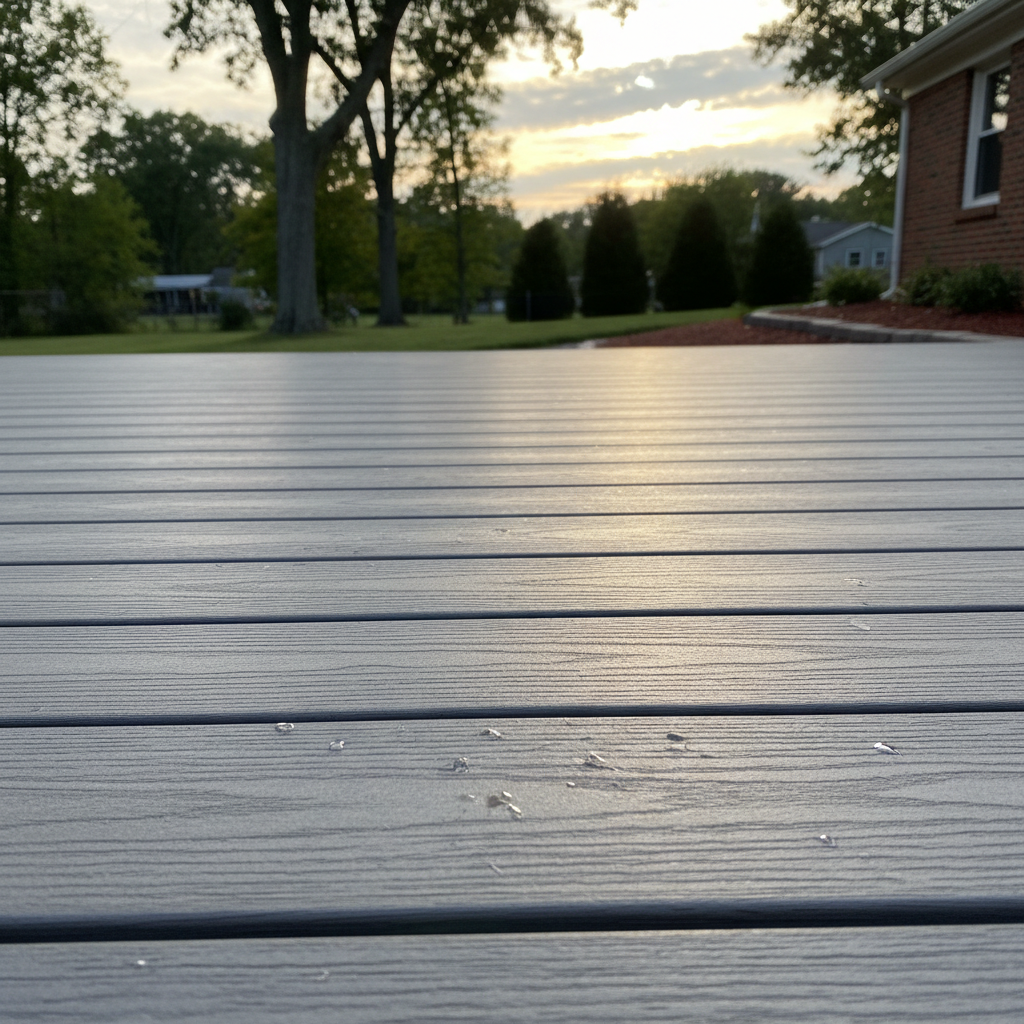
So, you're thinking about composite decking for your backyard. Good call. I get a ton of questions about composite decks, especially from folks right here in Bristol. It's a big chunk of change, after all, and you want to be sure you're picking the right thing for your place and our Connecticut weather. I've been putting up decks around here for years, and I've seen firsthand what really works and what just doesn't hold up. Let's dig into some of the most common questions I hear.
Is composite decking *really* maintenance-free?
That's the million-dollar question, isn't it? And the honest truth is: no, it's not maintenance-free, but it's pretty darn close to low-maintenance. You won't be sanding, staining, or sealing it every single year like you would with a wood deck. That's a huge win for your time and your wallet, right there. But you still have to clean it. Dirt, pollen, leaves, even mildew can build up, especially with our humid summers. A good scrub with some soap and water, or a light power wash (just be careful with the pressure, you don't want to mess up the surface), will keep it looking sharp. Think of it like washing your car; you don't have to repaint it every year, but you still give it a wash.
How long do composite decks actually last in our climate?
This is where composite really shines, particularly in a place like Bristol. We get everything here: freezing winters, hot, muggy summers, and plenty of rain and snow. Wood decks just get hammered. Composite decks, on the other hand, are built to take a beating. Most good quality composite brands offer warranties of 25 years or even longer, covering fading, staining, and structural issues. I've seen composite decks I installed over a decade ago in spots like the Federal Hill neighborhood still looking fantastic with very little effort. They don't rot, splinter, or get eaten by bugs, which is a huge deal when you're thinking about the long run.
Do composite decks get hotter than wood decks in the sun?
Yeah, they can. This is a common worry, and it's a fair one, especially during those scorching July and August days we get. Darker colors of composite decking will soak up more heat and can get uncomfortably hot to walk on barefoot. Lighter colors reflect more sunlight and stay cooler. It's usually not a problem if your deck is mostly shaded, but if it's in direct sun all day, you'll definitely notice the difference. We always talk about this during the design phase, you know? If you've got kids or pets who'll be out there, or if you just like to go barefoot, we might point you toward lighter tones or suggest a pergola for some shade.
What about fading and staining? Do they really hold up?
Modern composite decking has come a long, long way. Early versions definitely had problems with fading and staining, but today's products are much, much better. Most reputable brands use a protective cap layer that resists UV rays and helps stop stains from things like spilled wine, grease, or leaves. It's not bulletproof, though. If you leave a grease stain from the grill sitting for weeks, it might leave a mark. And while fading is cut down a lot, no material is completely immune to the sun over decades. You'll see a slight mellowing of the color over a very long time, but it won't be the dramatic, uneven fading you might see with some wood stains.
Are there different types of composite decking?
Absolutely, and this is important to understand. It's not just